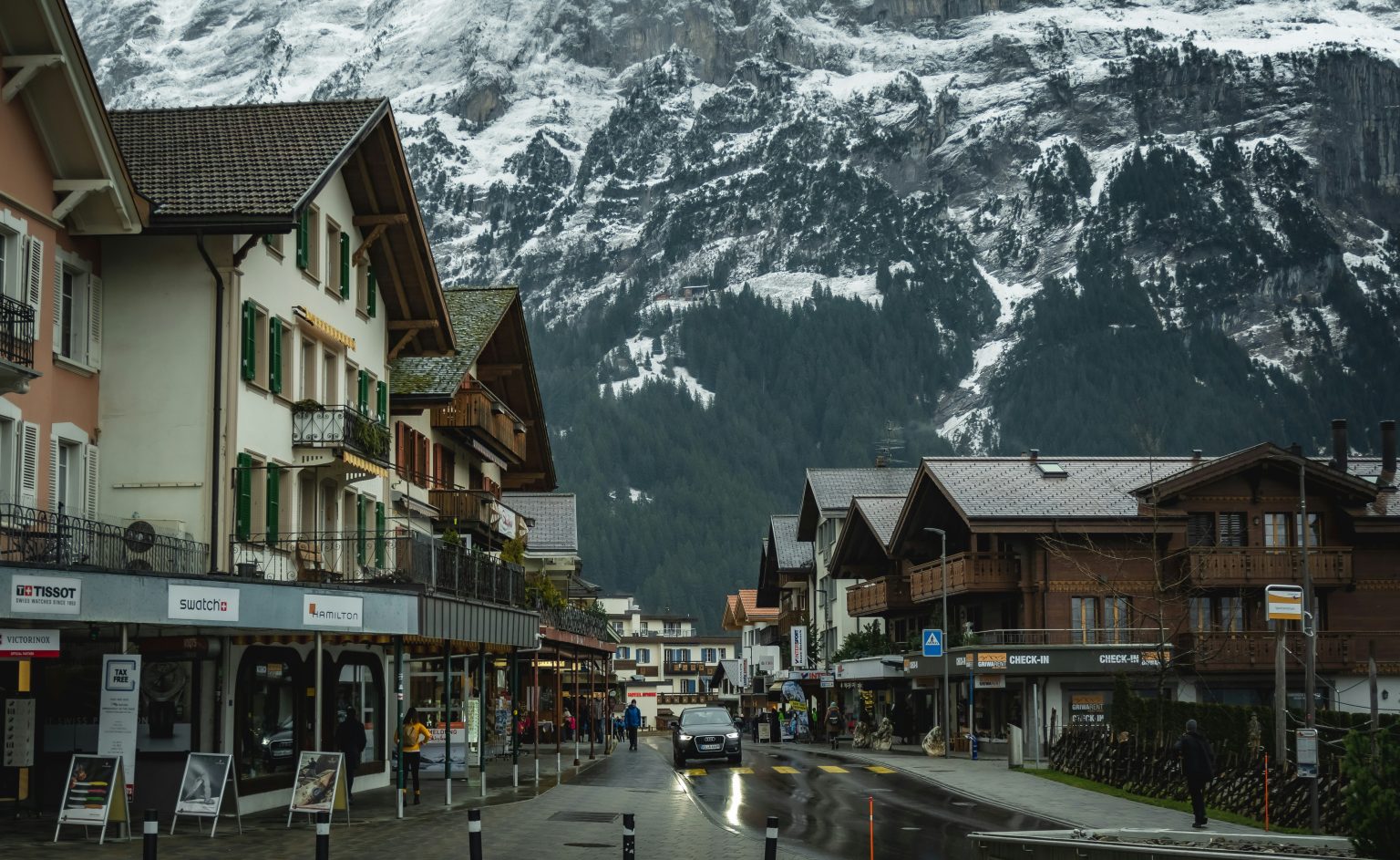
Nobody flies into Zurich and gets surprised by the coffee price twice. The first time, most people write it off as an airport thing. Then they walk into the city, find a normal cafe near Paradeplatz, order the same coffee, and the price is basically identical. That is just Zurich.
It has sat near the top of the world's most expensive cities lists for as long as most frequent travellers can remember. The Economist Intelligence Unit and Mercer both rank it in the top three year after year. For business travellers specifically, that plays out as hotel rooms starting at 250 CHF for anything you would actually want to stay in, restaurant bills that make London look affordable, and the creeping realisation that every single category of spend runs about 40 percent higher than you budgeted.
This is not news to anyone who sends people to Zurich regularly. The part that does not get talked about enough is how to plan around the cost without cutting the corners that actually matter.
Accommodation is the headline number. Four-star hotels in the city centre sit somewhere between 280 and 420 CHF on a normal weekday. When a major event hits the calendar, whether that is WEF week in Davos pulling people through Zurich, the Watches and Wonders fair in spring, or Art Basel in June, rates across the whole city climb sharply and rooms become genuinely scarce. These windows exist every year. They are not surprises. The people who pay the highest rates are the ones who treated them as surprises anyway.
Food is the second line item that catches people out. A working lunch at a regular restaurant, nothing celebratory, runs 40 to 70 CHF per person without drinks. A proper client dinner at somewhere appropriate lands between 100 and 160 CHF per head without much effort. These are not fine dining numbers. This is just what eating out normally costs in Zurich.
Ground transport is the third area, and it is the one where most business travellers either overspend through lazy taxi use or underplan by assuming public transport covers every situation.
The trams and S-Bahn in Zurich are genuinely good. Punctual, clean, well-connected. For meetings within the city when luggage is not a factor and time is flexible, public transport is fine and costs almost nothing.
But that description does not fit most business travel. Someone landing at Zurich Airport at 7pm after a transatlantic flight, carrying two bags, needing to be at a breakfast meeting the next morning, is not best served by the S-Bahn plan. The journey works in theory. In practice it involves escalators, a connection, and arriving at the hotel looking like you have just done exactly what you have just done.
Metered taxis run on some of the highest base rates in Europe. From the Zurich airport to the Zurich city centre, a metered taxi reaches 70 to 90 CHF on a typical day. In peak morning traffic it goes higher. The price is not confirmed until you arrive, the vehicle standard is variable, and there is always a queue at the rank.
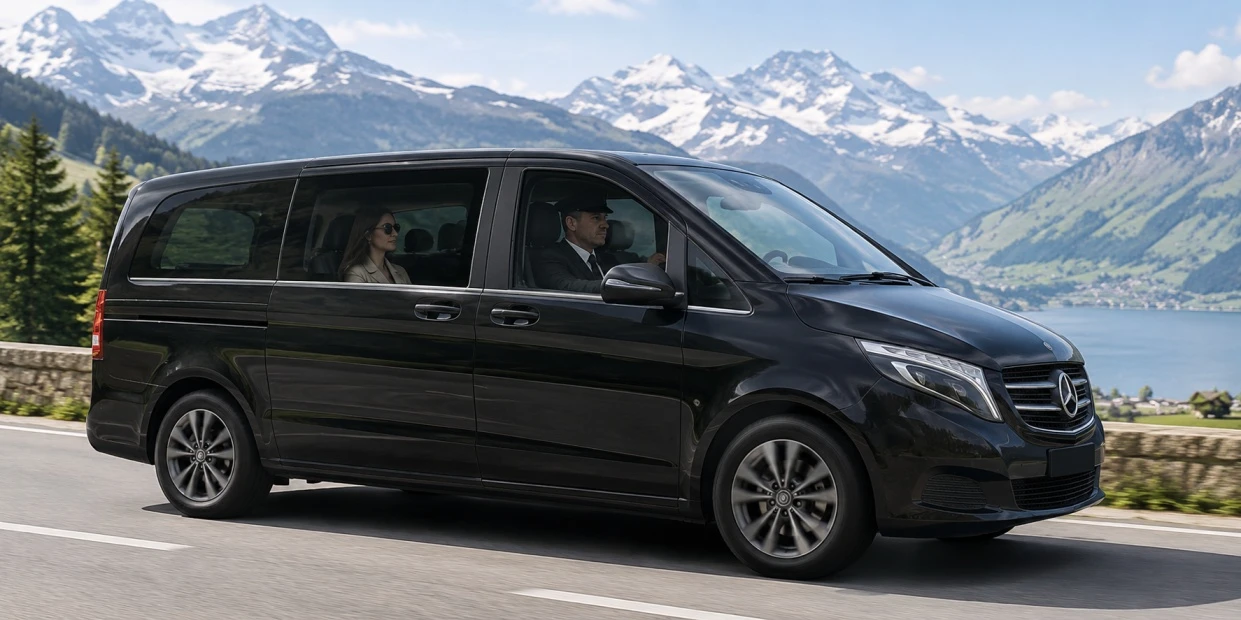
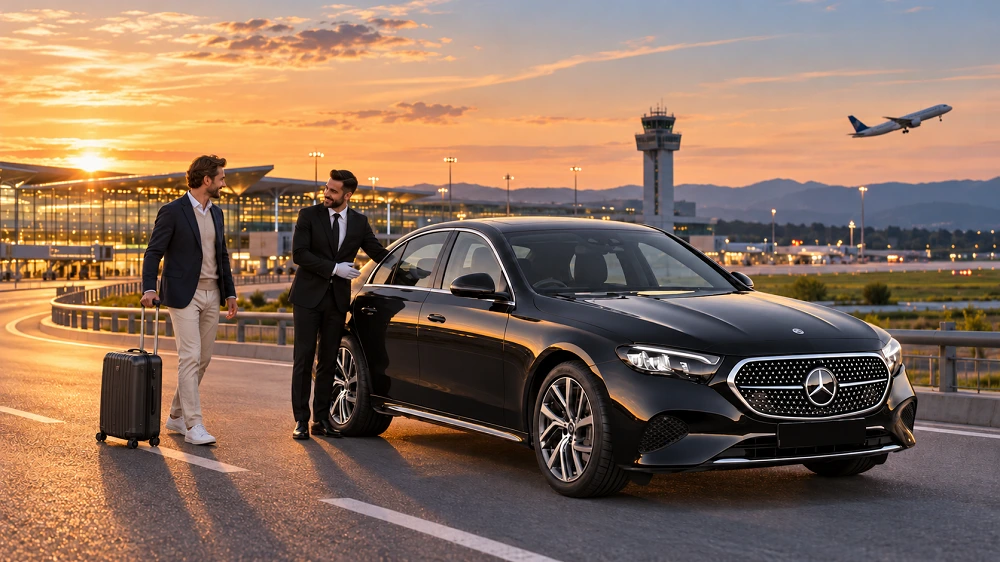
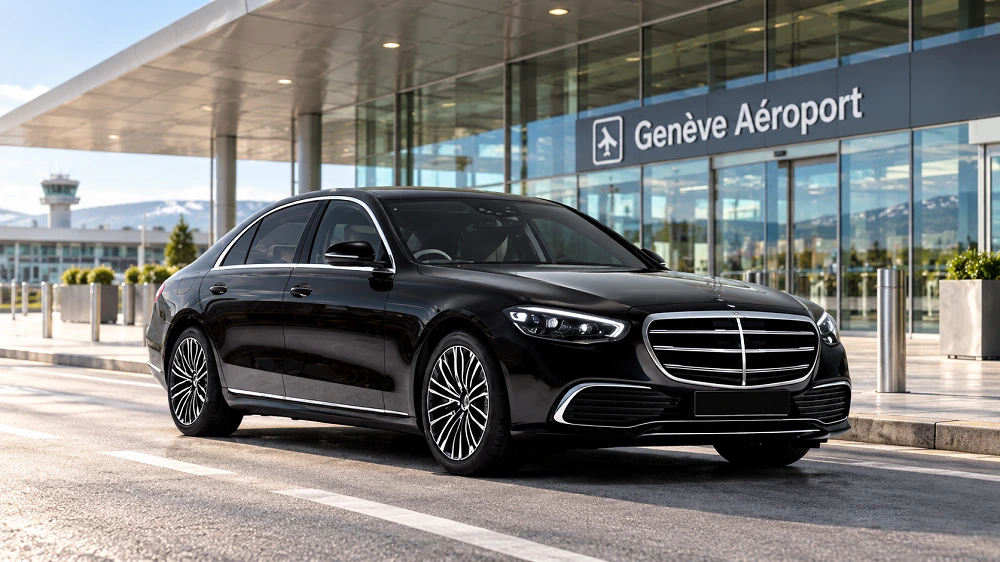
A pre-booked Zurich airport transfer with an approximate price of 98.15 CHF solves most of that. The cost lands in the same range as a metered taxi on a good day and below it on a bad one. The difference is that you know the number before the journey starts, the driver is waiting when the flight lands regardless of whether it ran on time, and the vehicle is what it was described as when you booked it.
Stay slightly outside the centre for longer visits. Oerlikon, Altstetten, and Wiedikon are fifteen minutes from the city by tram and 80 to 120 CHF cheaper per night than equivalent hotels in Kreis 1. Over four nights that is real money back in the budget.
Eat where people who work in Zurich eat. The restaurants around Bahnhofstrasse are priced for people passing through. Langstrasse and Zurich West cost less and the food is often better. Migros and Coop both have sit-down lunch sections that come in at 12 to 18 CHF and are worth knowing about for days when lunch is just lunch.
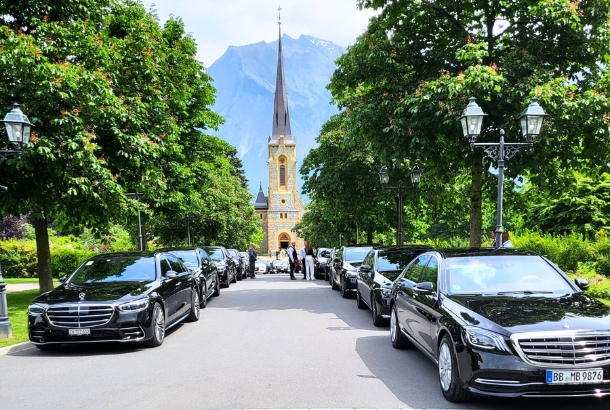
Book the airport transfer before you land. Unplanned transport always costs more than planned transport. A private transfer from LimousineHire booked in advance means a fixed price, a driver who has been watching the flight, and a clean car at arrivals. It is not meaningfully more expensive than what a Zurich taxi costs on a bad traffic day, and it starts the trip without the queue, the uncertainty, or the scramble.
Group meetings by location. Zurich is compact but crossing from one side of the Limmat to the other during morning peak hour costs real time. Grouping the Zurich West meetings on one day and the Bahnhofstrasse meetings on another sounds obvious and most people still do not do it.
Pre-book any intercity legs. If the week includes Zurich to Basel, Zurich to Davos, or any other intercity transfer, booking it in advance with a fixed price through LimousineHire removes one more variable from a week that already has enough of them.
Davos in January is its own situation. Hotel prices in Zurich during WEF week can double or triple. Private transport books out weeks in advance. Anyone arriving in Zurich that week without accommodation and ground transport locked in is going to spend considerably more than they planned to and have fewer options than they expected.
The same logic applies at a lower intensity to Art Basel in June, the Watches and Wonders fair, and the Christmas and New Year period. These dates come back every single year. The people paying the highest prices are the ones who keep forgetting that.
It costs what it costs because it works. The meetings happen on time because everything in Zurich happens on time. The restaurants are expensive and also genuinely good. The airport is efficient. The people you go to meet there are serious, and the work gets done. For banking, pharmaceuticals, commodity trading, watchmaking, and international arbitration, the expertise is concentrated in Zurich in a way that does not have an obvious alternative elsewhere.
Planning well does not mean spending less on the things that matter. It means not spending extra on the things that did not need to cost more. The difference between a well-planned four-day Zurich trip and a loosely planned one, when you add up accommodation rate differences, unplanned taxi spend, and last-minute bookings, can easily reach 600 to 900 CHF. In a city where every line item runs high, that gap is worth closing before the trip, not after it.
For private transfers to and from Zurich Airport, or for intercity routes across Switzerland, visit LimosineHire’s website or call the team at +41 78 632 44 46.
| Street address | |||
| City | |||
| State | Zip code | ||
| Country | |||
| Street address | |||
| City | |||
| State | Zip code | ||
| Country | |||
| Street address | |||
| City | |||
| State | Zip code | ||
| Country | |||